
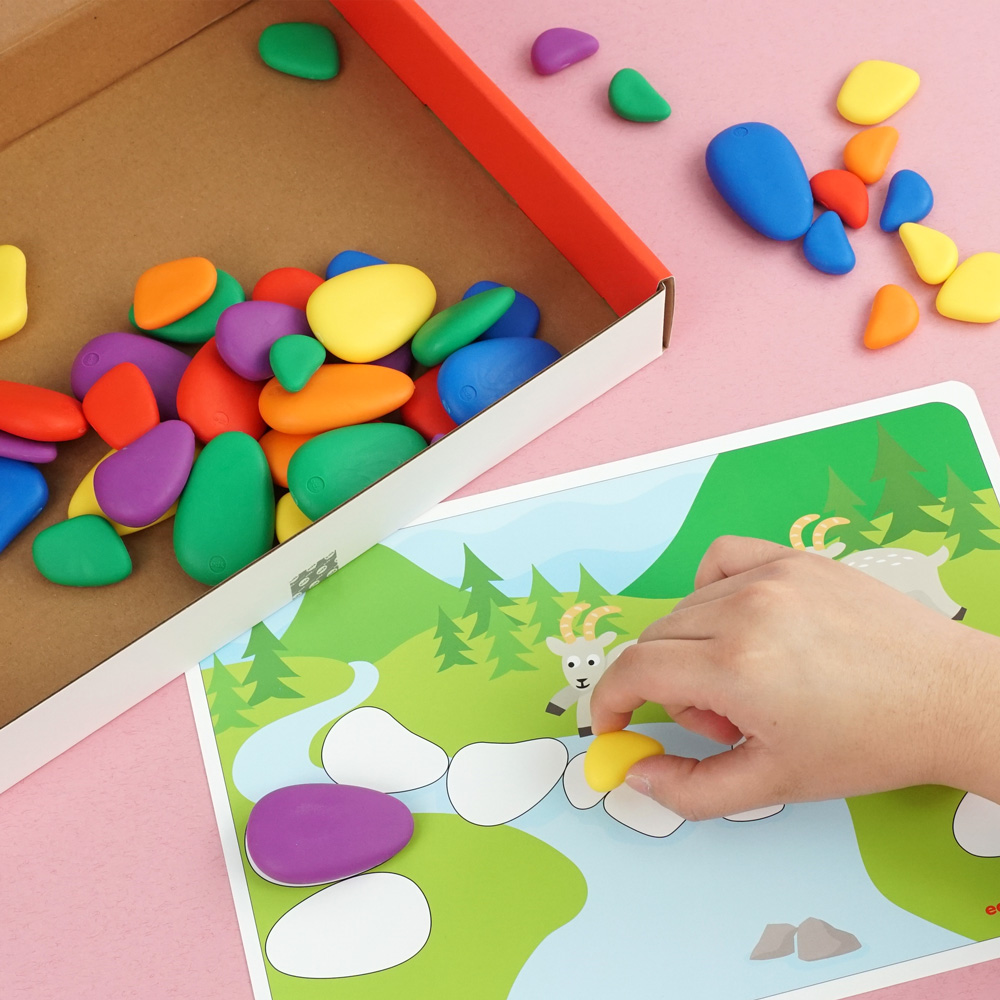
Play-Based Learning: Boost Focus, Skills & Creativity
The Power of Play: Building Focus, Skills & Creativity
Intro: 3 Key Highlights
- Play-based learning strengthens concentration, resilience and core skills
- Hands-on play supports fine motor, cognitive and creative development
- Simple resources like Rainbow Pebbles turn everyday play into meaningful learning
In this article, you’ll find key sections and practical takeaways. Tap a heading to jump straight to what you need.
📌 Quick Guide
- Why Is Play Important for Concentration?
- How Does Play Build Core Learning Skills?
- How Can Play Reduce Screen Time?
- Why Is Creativity So Important in Early Years?
- Simple Busy Play Ideas Using Mini Rainbow Pebbles
- Supporting Play Without Pressure
- Play, Learn & Create Every Day
- Frequently Asked Questions
As parents and caregivers, we often wonder how best to support our children’s learning especially in a world where screens are everywhere. The answer is often simpler than we think.
Play is not just a break from learning. Play is how children learn best.
Research consistently shows that play-based learning helps children develop concentration, resilience, and essential life skills all while nurturing creativity and confidence.
Why Is Play Important for Concentration?
When children engage in hands-on, open-ended play, they naturally become deeply focused. Activities like sorting, stacking and building encourage children to stay engaged for longer periods.
This type of play supports:
- Sustained attention
- Problem-solving skills
- Independent thinking
Unlike passive screen time, play requires children to actively think, decide and explore strengthening their ability to concentrate over time.
How Does Play Build Core Learning Skills?
Through play, children develop the foundations they need for lifelong learning.
Persistence & Resilience
When something doesn’t work, children learn to try again. These small moments build confidence and determination.
Fine Motor Skills
Using smaller resources like Rainbow Pebbles strengthens hand muscles, supporting early writing and coordination.
Gross Motor Skills
Reaching, placing and moving objects helps develop physical control and spatial awareness.
Cognitive Development
Children begin to understand patterns, sequences, counting and problem-solving through hands-on exploration.
How Can Play Reduce Screen Time?
Screens often provide instant results, but play offers something far more valuable time to think.
By introducing simple, engaging play activities, you can:
- Encourage independent exploration
- Reduce reliance on screens
- Support deeper, more meaningful learning
Even short bursts of focused play each day can make a lasting impact.
Why Is Creativity So Important in Early Years?
In my research and writing, I often emphasize that we need to teach children how to think, not what to think.
Creativity is at the heart of this.
Open-ended play allows children to:
- Explore ideas freely
- Solve problems in different ways
- Express themselves confidently
There is no “right answer” only opportunities to create, adapt and imagine.
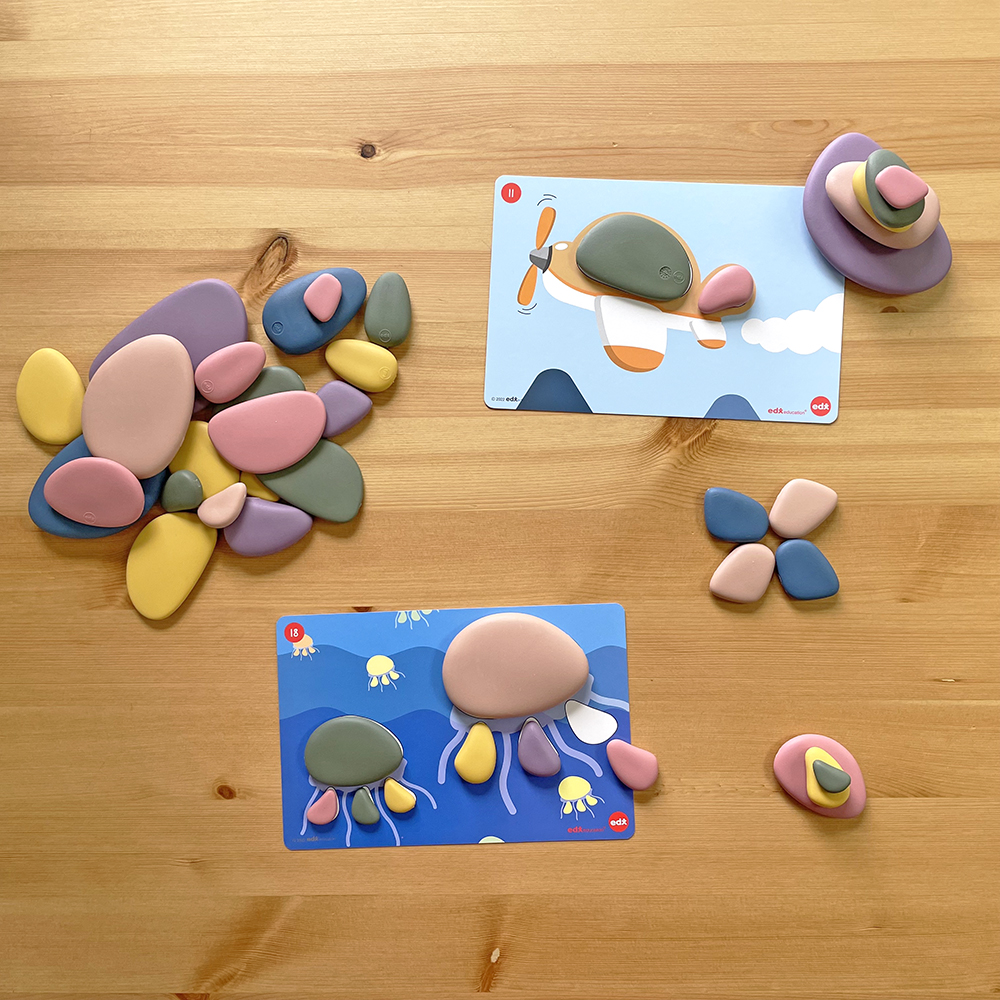
Simple Busy Play Ideas Using Rainbow Pebbles
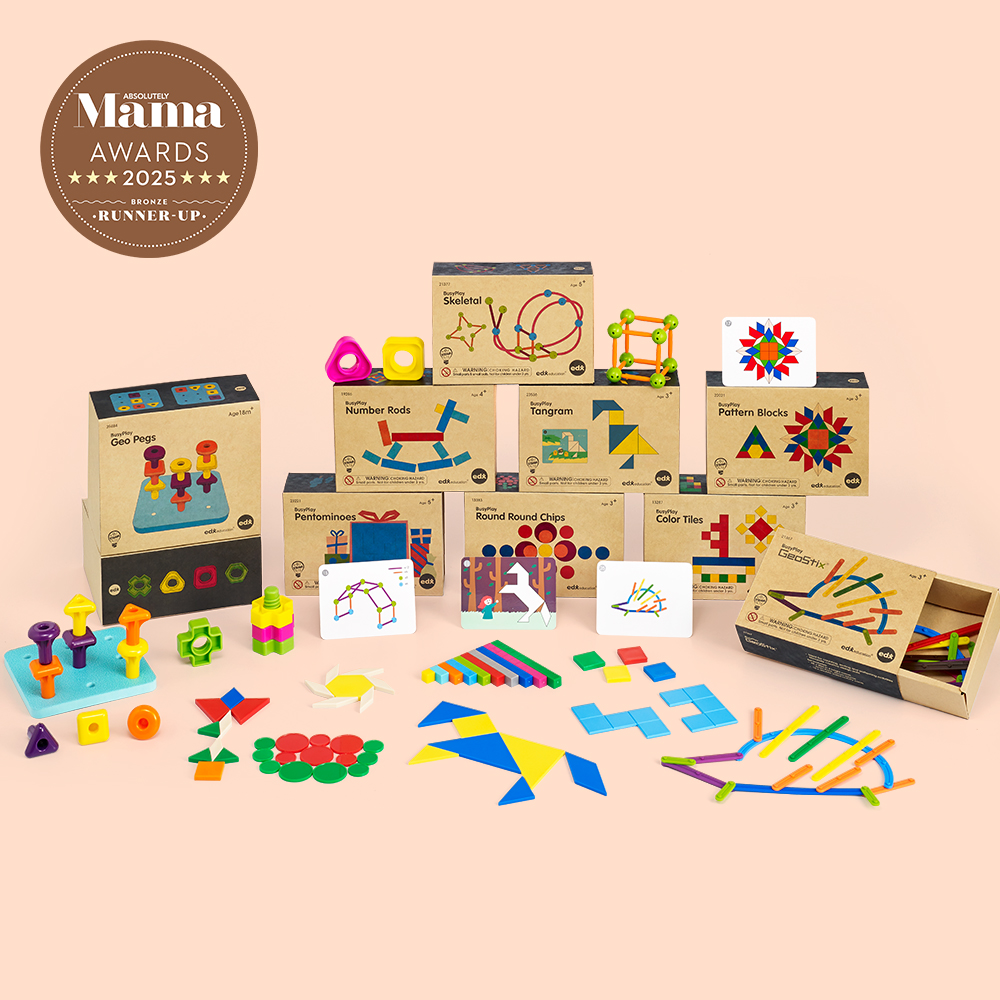
The Busy Play range is designed to support open-ended, hands-on learning. Here are a few simple ideas you can try at home:
- Pattern Making: Create simple patterns and encourage your child to continue them.
- Sorting & Classifying: Sort by color, size or shape. Change the rules to keep it exciting.
- Creative Pictures: Use pebbles to create pictures, animals or story scenes.
- Stack & Balance: Challenge your child to build towers great for patience and fine motor control.
Each of these activities supports specific developmental skills, from concentration to creativity.
Supporting Play Without Pressure
One of the most important things we can do as adults is step back. Children do not need constant direction—they need time and space to explore.
You can support this by:
- Offering open-ended resources
- Allowing mistakes and experimentation
- Encouraging effort rather than outcomes
- Celebrating creativity and focus
Play should feel joyful, not like a task.
Play, Learn & Create Every Day
Through our toys, downloadable resources and the Play, Learn & Create with Edx Education, we continue to advocate for meaningful, play-based learning.
When children are given the freedom to play, they build more than skills they build confidence, curiosity and a lifelong love of learning.
Because happy children don’t need to be rushed. They need time, space and the right tools to play.
Frequently Asked Questions
Q: How does play improve a child’s concentration?
A: Play encourages active engagement, problem-solving and decision-making, which naturally builds attention span over time.
Q: What are the benefits of using Mini Rainbow Pebbles?
A: They support fine motor skills, creativity, pattern recognition and early math concepts through hands-on play.
Q: How much play time should my child have each day?
A: Even 15–30 minutes of focused, screen-free play daily can significantly support development and wellbeing.
By Heather Welch, General Manager Edx Education UK and author of Happy Children Play
 Edx Education