
 Edx Education
Teaching Children to Think Through Play in the Early Years
Teaching Children to Think Through Play in the Early Years
In this article, you’ll find key sections and practical takeaways. Tap a heading to jump straight to what you need.
As parents, caregivers and teachers, we often focus on what children should learn numbers, letters, shapes and colors. Yet one of the most powerful skills we can nurture in the early years is teaching children how to think.
When children learn to question, experiment and solve problems, they develop confidence, resilience and independence. These thinking skills form the foundation for school readiness and lifelong learning.
At Edx Education, our philosophy of Play, Learn & Create encourages children to develop these skills naturally through play. With open ended educational toys such as Nuts & Bolts and themed animal counters including aquatic animals, farm animals and wild animals, children begin exploring, testing ideas and discovering solutions independently.
The best part? Many of these learning moments require minimal setup but deliver maximum developmental benefits.
Why Are Thinking Skills Important in Early Childhood?
Children are naturally curious. The early years are when their brains are building connections faster than at any other time in life.
When children are encouraged to think through play they develop:
- Problem-solving skills
- Logical reasoning
- Creativity and imagination
- Persistence and resilience
- Early maths and science understanding
Rather than memorizing answers, children begin exploring how things work, which strengthens cognitive development and confidence.

How Does Play Help Children Learn to Think?
Play is one of the most powerful tools for learning.
When children play with hands-on resources like Nuts & Bolts, they experiment with shapes, sizes and mechanics. They test which pieces fit together, adjust their approach and try again.
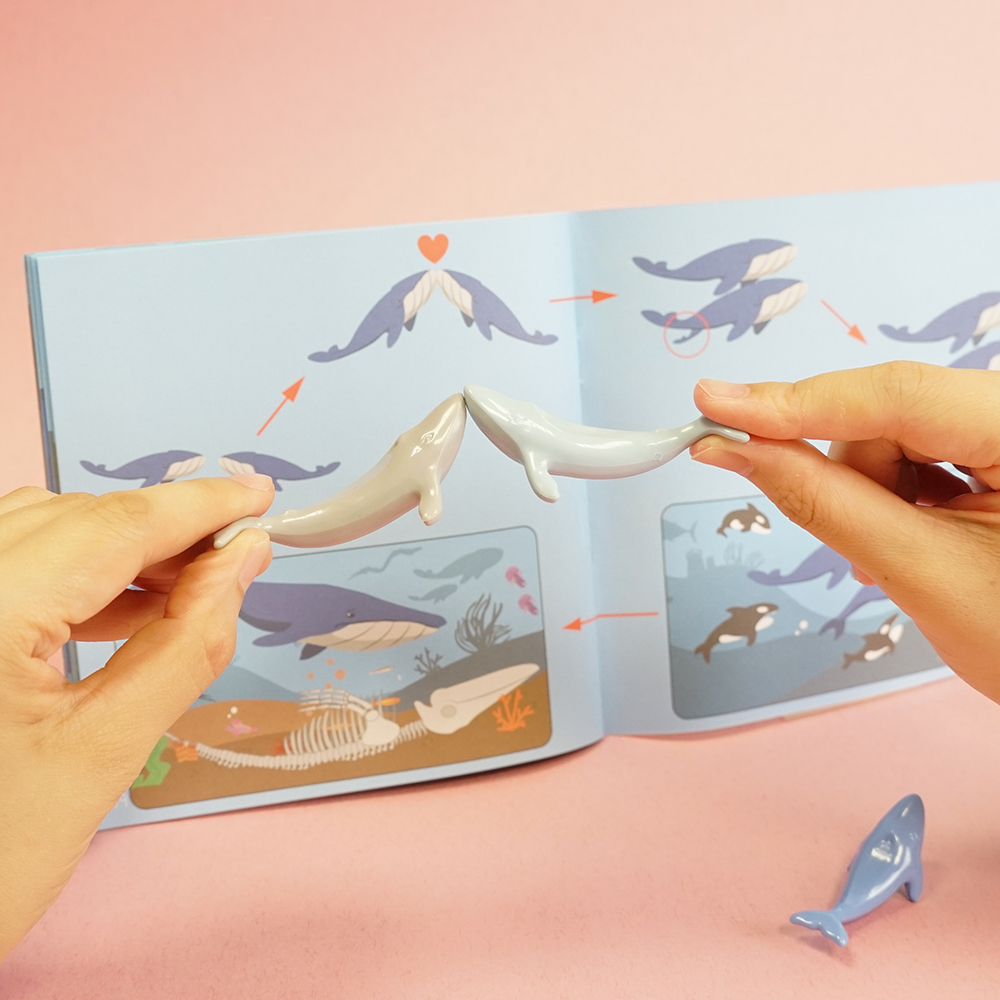
Similarly, themed counters such as aquatic animals, farm animals and wild animals allow children to explore sorting, storytelling, counting and classification.
These playful activities encourage children to:
- Ask questions
- Predict outcomes
- Compare and categorize
- Solve problems independently
This kind of exploration builds independent thinking and curiosity.
5 Easy Ways to Encourage Thinking Through Play
Here are five simple play ideas parents, caregivers and teachers can use with minimal preparation and maximum learning impact.
1. Ask Open-Ended Questions
Instead of giving children the answer, encourage them to think.
For example while playing with Nuts & Bolts,, ask:
- Which bolt fits this nut?
- What happens if you try another one?
- Why do you think that works?
Open-ended questions build logical thinking and problem solving.
2. Sort and Classify
Children love organizing objects.
Using animal themed counters, ask children to group animals:
Sorting activities introduce early maths and science concepts through play.
3. Encourage Storytelling
Themed counters are perfect for imaginative play.
Try asking:
- Can you create a story with three animals?
- What adventure are the animals going on?
- What happens next?
Storytelling strengthens language development, sequencing and creative thinking.
4. Explore Patterns
Patterns are a key early maths skill.
Use counters to build simple sequences:
Farm animal → Wild animal → Farm animal → Wild animal
Ask children what comes next.
Pattern play helps children develop prediction and logical reasoning skills.
5. Set Mini Play Challenges
Children love playful challenges.
Try simple tasks such as:
- Can you match all the Nuts & Bolts?
- How many animals can you count?
- Can you create a small farm or ocean scene?
These challenges encourage experimentation, persistence and curiosity.
Simple Toys that Spark Big Thinking
Open-ended educational toys work best for thinking development because there is no single right answer.
Toys that support thinking skills particularly well include:
- Nuts & Bolts – building fine motor skills and problem solving
- Aquatic Animal Counters – sorting, counting and storytelling
- Farm Animal Counters – imaginative play and classification
- Wild Animal Counters – creative exploration and language development
These toys allow children to explore ideas freely, encouraging independent learning.
Play, Learn & Create Every Day
When children are given time and space to explore through play, they naturally develop the confidence to think independently.
At Edx Education, we design educational toys that inspire curiosity, discovery and joyful learning.
Parents and caregivers can also explore more play ideas and practical parenting tips through the Play, Learn & Create with Edx Education podcast, alongside downloadable activities designed to support early childhood development.
Because when children learn to think, question and explore, they develop skills that last a lifetime.
Happy children don’t need to be rushed they need time to play.
Frequently Asked Questions
Q: Why are thinking skills important in early childhood?
A: Developing thinking skills early helps children with problem-solving, logical reasoning, and builds the persistence needed for lifelong learning.
Q: How can I encourage my child to think independently?
A: Use open-ended questions and provide toys that allow for exploration without a single “correct” way to play.
 EDX education