
 Edx Education
Parallel Play, Independent Play: What It Is, Why It Matters, How Toys Can Help
Understanding Independent and Parallel Play: A Guide for Parents
As parents and caregivers, we often find ourselves watching children play and quietly wondering whether they should be playing together more, or why they seem happiest playing alone. These questions are incredibly common, especially in the early years, and the reassuring truth is that different play styles are a natural and healthy part of child development.
Two important and often misunderstood play styles are independent play and parallel play. Understanding what these are, why they matter, and how toys can support them helps adults feel confident in supporting children without pressure, comparison or unrealistic expectations.
What is Independent Play?
Independent play is when a child plays on their own, fully absorbed in what they are doing. This might look like building with blocks, exploring loose parts, solving puzzles or creating imaginary worlds independently. Independent play is not about isolation. It is about autonomy, focus and self-directed learning.
Through independent play, children develop concentration, problem-solving skills, creativity, resilience and emotional regulation. For many children, particularly neurodivergent children, independent play provides a sense of calm, predictability and control. It is often the space where children feel safest to explore ideas, practise skills and build confidence.
What is Parallel Play?
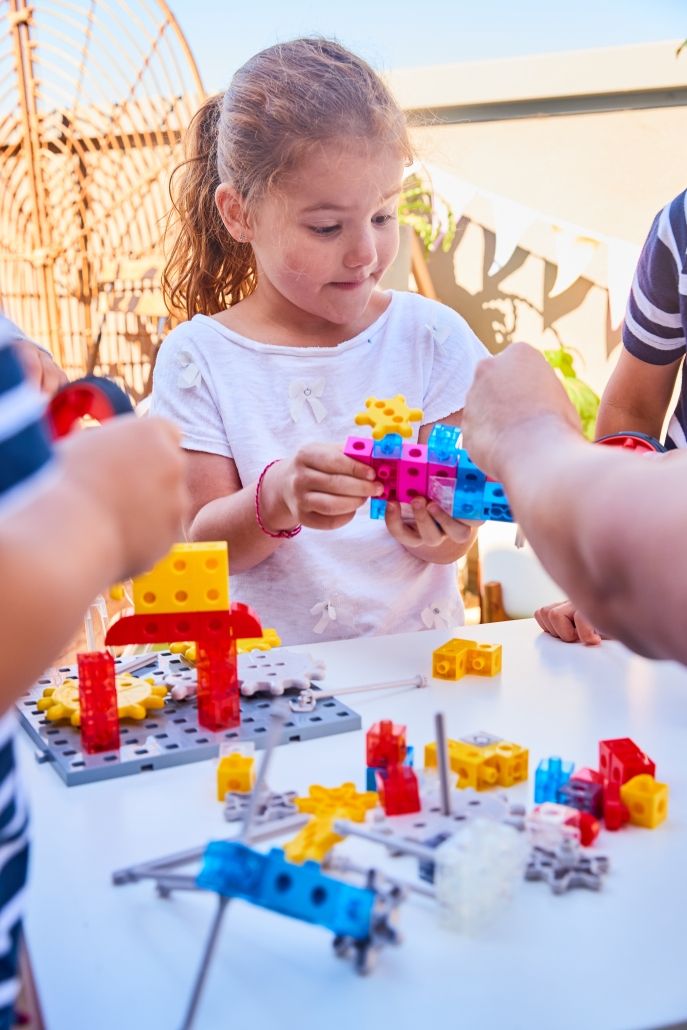
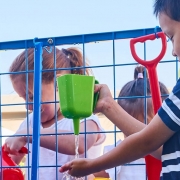
Parallel play usually emerges between eighteen months and three years, but it can continue well beyond this age. During parallel play, children play alongside one another, often with similar materials, without direct interaction. They may watch, listen, imitate or simply enjoy being near others while remaining focused on their own play.
Parallel play is not a social failure. It is a developmental bridge. It supports social awareness without social pressure, early language exposure, emotional safety and familiarity with group environments. Children learn by observing others, even when they are not actively engaging with them.
For neurodivergent children, parallel play can be especially powerful. It allows them to be part of a shared space while maintaining personal boundaries and sensory comfort. It builds confidence gradually and supports social readiness in a way that feels safe and respectful.
Many caregivers notice these play differences and worry that their child is falling behind socially. In reality, play develops along many pathways. When children feel secure and unpressured, they are far more likely to move towards interactive and cooperative play in their own time.
The right toys can make a significant difference. Open-ended educational toys naturally support both independent and parallel play without demanding specific outcomes or forced interaction. At Edx Education, our toys are designed to act as stepping stones, meeting children where they are and gently supporting development forward.
Construction toys, loose parts, maths manipulatives and sensory-friendly resources are ideal for side-by-side play. Children can explore, repeat, create and problem-solve independently while feeling comfortable in a shared environment. These experiences help build confidence, curiosity and emotional regulation.
Supporting these play styles also means adjusting adult expectations. Children do not need to be coached into playing together. They need time, space and permission to play in ways that feel right for them. Providing shared play spaces, offering choices and allowing observation without direction creates a strong foundation for development.
To truly support children through independent and parallel play, we must rethink how we define progress. Progress is not always louder, more social or more interactive. Sometimes it looks like a child feeling calm in a shared space, staying focused for longer, or confidently choosing their own materials.
These moments matter. When children are trusted to lead their play, they build the foundations for communication, collaboration and resilience naturally. Through our toys, downloadable resources and the Play, Learn & Create with Edx Education, we continue to advocate for play that respects individuality, builds confidence and supports lifelong learning through joyful, pressure-free experiences.
By Heather Welch, General Manager Edx Education UK and author of Happy Children Play
 edx education
 Edx Education
 Edx Education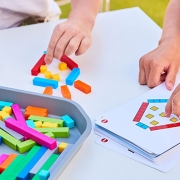
 Edx Education