

Play-Based Learning and Classroom Readiness: Building Resilient Learners Through Play
Play-Based Learning and Classroom Readiness: Building Resilient Learners Through Play
Intro: 3 Key Highlights for Parents & Caregivers
- Play-based learning supports school readiness far beyond letters and numbers.
- Play helps children develop frustration tolerance, resilience, and emotional regulation.
- Everyday play at home builds confident, capable learners ready for the classroom.
At Edx Education, we have spent decades advocating for play as the foundation of meaningful learning. Research consistently confirms what parents often instinctively know: children learn best when they are actively engaged, emotionally safe, and genuinely enjoying the process. Play-based learning is not a “soft option” it is a powerful, evidence backed approach to preparing children for school and life.
📌 Quick Guide
Tap to collapse / expand
In this article, you’ll find key sections and practical takeaways:
- What Does Classroom Readiness Really Mean?
- What Does Research Say About Play-Based Learning?
- How Play Builds Frustration Tolerance and Resilience
- Practical Play Ideas to Support Readiness at Home
- Supporting Confidence and Emotional Regulation
- Resources to Support You
- A Final Thought
- Frequently Asked Questions
What Does Classroom Readiness Really Mean?
Many parents worry about whether their child knows enough letters, numbers, or facts before starting school. However, classroom readiness goes far beyond academic knowledge. It includes skills such as listening, following instructions, managing emotions, problem-solving, and coping when things feel tricky.
Children who can persist with a challenge, ask for help, and recover from small frustrations are far better equipped to thrive in a classroom environment. These skills are best developed through play.
What Does Research Say About Play-Based Learning?
Early childhood research shows that play-based learning supports brain development by strengthening executive functioning skills such as working memory, flexible thinking, and self-control. During play, children test ideas, make decisions, and learn through trial and error.
Play also supports language development, early maths understanding, and social skills in ways that feel natural and meaningful. Rather than memorising information, children experience learning making it more memorable and transferable to new situations.
How Play Builds Frustration Tolerance and Resilience
One of the most valuable outcomes of play is learning how to cope with frustration. When a puzzle doesn’t fit or a tower collapses, children experience manageable challenges in a safe space.
Through play, children learn to:
- Try again after something goes wrong
- Adapt their thinking and approach
- Regulate emotions with adult support
- Build confidence through perseverance
These moments help children understand that mistakes are part of learning, not something to fear.
Practical Play Ideas to Support Readiness at Home
You don’t need formal lessons to prepare children for school. Simple, playful experiences make a powerful difference.
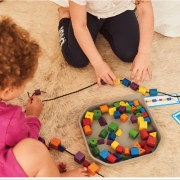
- Construction play – building and rebuilding supports problem-solving and persistence. e.g MyGears®, Linking cubes, The Very Hungry Caterpillar™
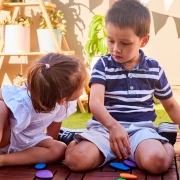
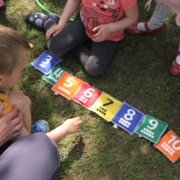
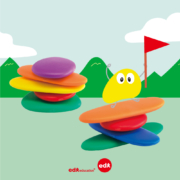
- Sorting and matching games – develop early maths skills and concentration. e.g. Rainbow Pebbles®
- Imaginative role play – strengthens language, social understanding, and confidence. e.g through storytelling Junior String Art
- Puzzle play – encourages focus, patience, and flexible thinking. e.g Busy Play® Ice Berg Blocks
Allow children time to explore, struggle a little, and find solutions independently before stepping in.
Supporting Confidence and Emotional Regulation
Play offers a safe space for children to explore feelings and develop emotional awareness. Talking about emotions during play—“That was tricky, how did that feel?”—helps children build the language they need to express themselves in the classroom.
Celebrating effort rather than outcomes reinforces a growth mindset and helps children feel capable and confident.
Resources to Support You
At Edx Education, we design educational toys and free downloadable resources to support play-based learning at home and in early years settings. Our podcast, Play, Learn & Create with Edx Education, shares expert insights and practical advice to help families nurture confident learners through play.
A Final Thought
Play is not preparation for learning it is learning. By embracing play-based experiences, we help children develop the resilience, confidence, and skills they need to step into the classroom ready to thrive.
By Heather Welch General Manager, Edx Education UK & author of Happy Children Play
Frequently Asked Questions
Q: How does play-based learning support classroom readiness?
A: Play builds attention, emotional regulation, problem-solving, and resilience key skills children need to succeed at school.
Q: Why is frustration tolerance important for young children?
A: Learning to cope with frustration helps children persist with challenges and manage emotions in the classroom.
Q: How can parents support play-based learning at home?
A: Provide open-ended toys, allow time for exploration, talk about learning during play, and focus on effort over results.
By Heather Welch, General Manager Edx Education UK and author of Happy Children Play
 Edx Education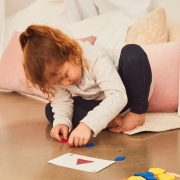
 edx education
 EDX education