
 Edx Education
Supporting Children’s Sensory and Emotions Wellbeing When Returning to School
Supporting Children’s Transition: Back to School After a Long Break
Returning to school or early learning environments can be a big transition for children around the world. New routines, higher expectations, busy classrooms and social demands can all impact a child’s emotional wellbeing and sensory regulation. While some children return confidently, many experience anxiety, emotional overwhelm or sensory overload and this is completely normal.
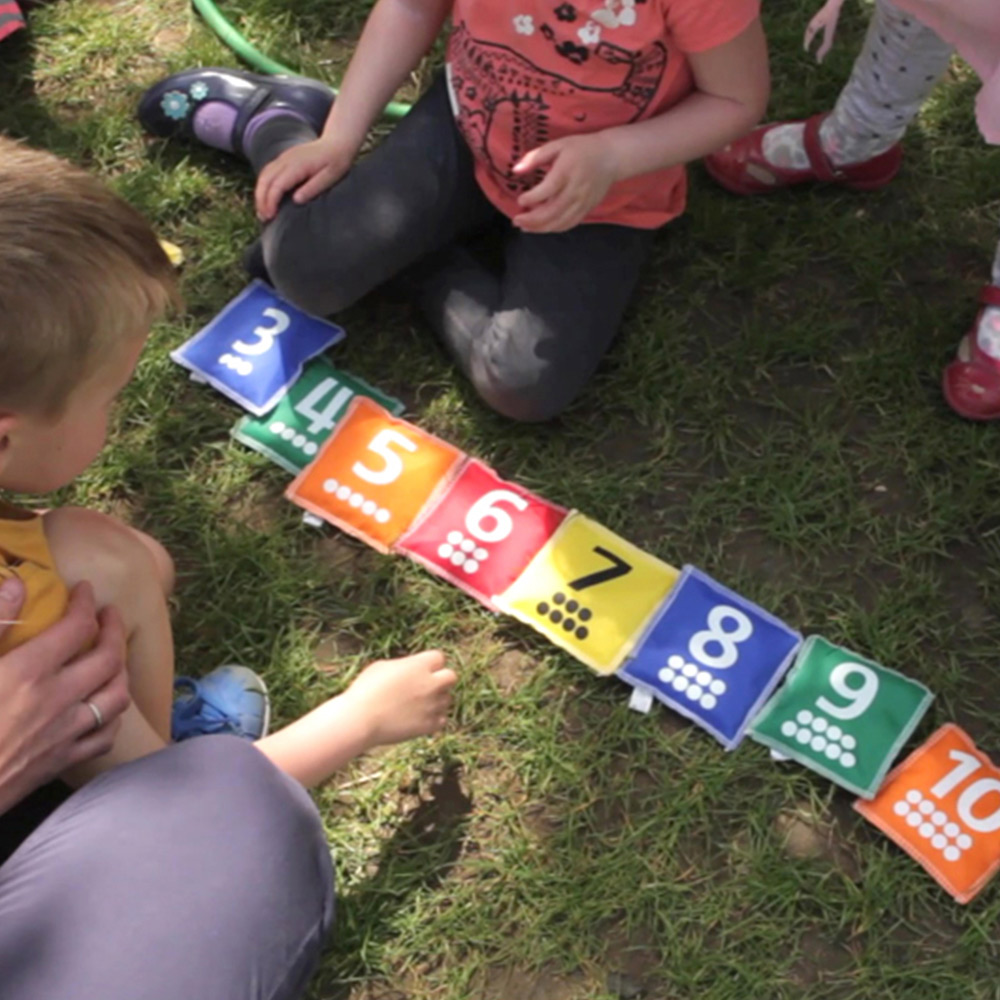
At Edx Education, we champion play-based learning as a powerful way to support children’s emotional development, self-regulation and readiness to learn. Research consistently shows that children learn best when they feel safe, understood and connected. Play provides the ideal foundation for children to process emotions, manage change and rebuild confidence after time away from structured learning.
Below are 10 practical, play-led strategies to help parents and caregivers support children as they transition back to school after a long break.
-
Normalize Emotions
Talk openly about emotions and reassure children that all feelings are valid. Excitement, worry, frustration or tiredness often coexist. Naming emotions helps children develop emotional literacy and resilience.
-
Use Play to Communicate
Children express feelings through play long before they can articulate them verbally. Role play, small world play and storytelling allow children to explore school experiences in a safe, non-threatening way.
-
Rebuild Routines Gradually
Predictable routines support emotional security. Reintroduce bedtime, morning and mealtime routines slowly to help children feel grounded and prepared for school life.
-
Prioritize Sensory Play
Sensory-rich activities support nervous system regulation and focus. Play involving touch, movement and construction helps children release tension and improve emotional balance after busy days.
-
Create a Calm-Down Space
A designated calm space at home encourages mindfulness and self-regulation. Soft materials, open-ended toys or quiet activities help children reset emotionally and physically.
-
Encourage Hands-On Learning
Manipulatives and open-ended educational toys build confidence, problem-solving and independence. When learning feels playful and engaging, children are more motivated and less anxious.
-
Make Transitions Playful
Turning daily transitions into games or songs reduces stress and supports cooperation. Playful routines help children move smoothly between activities without emotional overload.
-
Listen with Empathy
Children don’t always need solutions they need to feel heard. Active listening builds emotional safety and strengthens trust, which is essential during periods of change.
-
Model Emotional Regulation
Children learn emotional skills by observing adults. Talking about your own emotions and demonstrating calm strategies teaches children how to self-regulate and manage stress.
-
Use Learning Resources Together
Books, downloadable activities and family-friendly podcasts provide shared opportunities to explore emotions, learning and wellbeing. The Play, Learn & Create with Edx Education podcast supports families with expert insights into child development and play-based learning.
Returning to school after a long break is a significant developmental moment. By focusing on emotional wellbeing, sensory support and playful learning experiences, families can help children feel confident, capable and ready to thrive.
Play is not a break from learning it is how learning happens.
When children feel emotionally supported and sensorially regulated, they are empowered to grow, adapt and succeed in any learning environment.
By Heather Welch, General Manager Edx Education UK & author of Happy Children Play
 edx education
 Edx Education
 Edx Education
 Edx education
 Edx Education
 Edx Education
 Edx Education